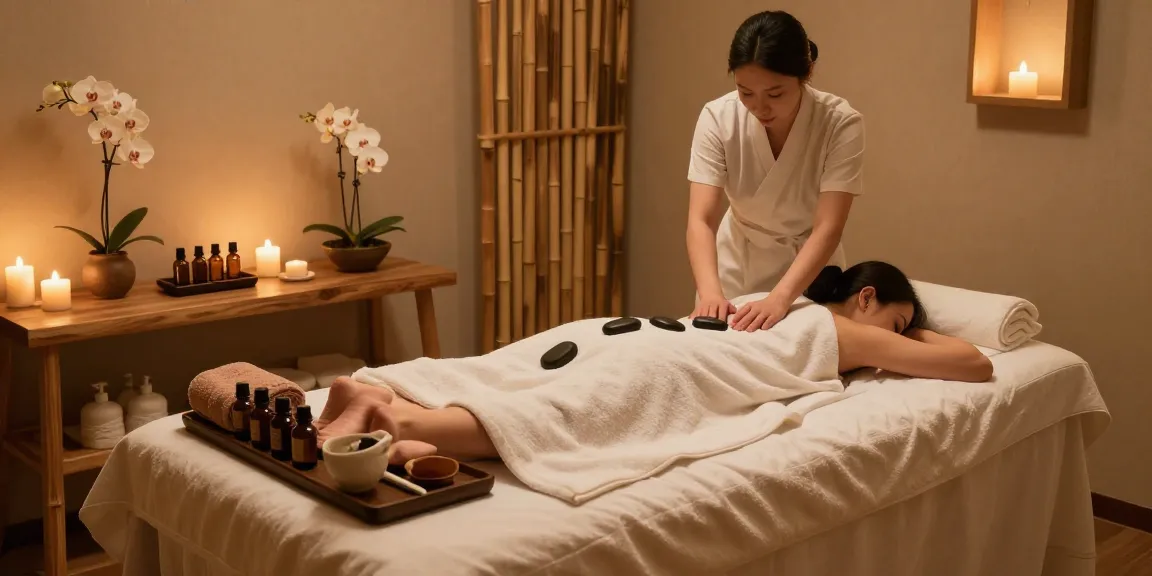
Understanding Stress and Its Impacts
Stress is an inevitable part of life, affecting individuals from all walks of life. In today’s fast-paced environment, learning how to effectively ridurre lo stress is crucial for maintaining both mental and physical health. Stress can arise from various sources, including work, relationships, and even our internal expectations, shaping how we experience daily challenges. Understanding the nature of stress and its multifaceted impacts allows individuals to take proactive measures in managing it.
What is Stress?
Stress is a natural reaction of the body to perceived threats or demands. It results in physiological and psychological responses that prepare the individual to face challenges. While short bursts of stress can be motivating, chronic stress can lead to serious health issues, such as anxiety disorders, depression, and cardiovascular problems.
Physiological Effects of Stress
When faced with stress, the body activates its fight-or-flight response, releasing hormones like cortisol and adrenaline. These hormones increase heart rate, elevate blood pressure, and boost energy supplies. While these responses can be helpful in acute situations, prolonged exposure can wreak havoc on the body, leading to conditions like hypertension, obesity, and diabetes.
Psychological Impacts of Chronic Stress
Chronic stress can take a toll on mental health, contributing to a range of psychological issues. This can manifest as irritability, mood swings, insomnia, and in severe cases, depression. Understanding these psychological impacts is essential for developing effective stress management strategies.
Identifying Your Stress Triggers
Recognizing what causes stress in your life is the first step toward effective management. By identifying your personal stressors, you can develop strategies to mitigate their effects and ridurre lo stress effectively. Stress triggers can vary widely from person to person, often encompassing both external factors and personal perceptions.
Common Sources of Stress
- Work-related pressures
- Financial concerns
- Health issues
- Relationship dynamics
- Life transitions, such as moving or changing jobs
Recognizing Personal Stress Signals
Every individual responds to stress differently. It is important to tune into your body’s signals, which may include headaches, fatigue, irritability, or gastrointestinal issues. Recognizing these signs early can help you take action before stress becomes overwhelming.
Self-Assessment Techniques
Practicing self-assessment techniques, such as journaling or mindfulness, can provide insights into your stress patterns. Regular reflection on your daily experiences can help identify recurring triggers, allowing you to approach them with greater awareness and preparedness.
Proven Methods to Ridurre Lo Stress
Numerous techniques can be employed to combat stress effectively. Each method targets different aspects of stress, allowing for a comprehensive approach to ridurre lo stress.
Physical Techniques: Exercise and Movement
Exercise is one of the most effective stress-relief strategies. Engaging in physical activity releases endorphins, which are natural mood enhancers. Whether it’s taking a brisk walk, practicing yoga, or participating in a sport, regular movement can significantly reduce stress levels.
Mental Techniques: Mindfulness and Meditation
Mindfulness practices, such as meditation and deep breathing, help to calm the mind and reduce stress. By focusing on the present moment, individuals can detach from anxiety-inducing thoughts and promote a sense of inner peace.
Social Techniques: Support Networks
Building a strong support network is essential for managing stress. Sharing experiences with friends or family can provide emotional relief. Participating in community groups or therapy can also facilitate connections that offer valuable perspectives and support.
Creating a Stress-Reduction Routine
Establishing a consistent stress-reduction routine is integral to maintaining long-term wellness. A well-rounded routine incorporates various methods tailored to individual needs, ensuring comprehensive stress management.
Daily Practices for Long-Term Relief
- Incorporate regular exercise into your daily schedule.
- Establish a mindfulness practice, even if just for a few minutes each day.
- Prioritize sleep by maintaining good sleep hygiene.
- Schedule regular social interactions, whether in person or virtually.
Integrating Stress Management in Professional Life
Employers can foster environments conducive to stress management by encouraging work-life balance, providing mental health resources, and promoting a culture that values well-being. Employees should also advocate for their own mental health, utilizing available resources and communicating their needs.
Monitoring and Adjusting Your Routine
Adapting your stress management strategies is crucial. Regular monitoring of your stress levels and the effectiveness of your routine allows you to make informed adjustments, ensuring you stay resilient in the face of new challenges.
Future Trends in Stress Management
The landscape of stress management is continuously evolving, driven by advancements in technology and a deeper understanding of mental health. The future will likely see an increased focus on personalized approaches and innovative solutions.
Technological Innovations in Stress Relief
Emerging technologies, such as mobile apps and virtual reality, are paving the way for new stress management tools. These innovations offer interactive experiences that can guide users through relaxation techniques, monitor stress levels, and provide immediate support.
Emerging Research on Stress and Well-Being
Ongoing research continues to uncover the complexities of stress and its effects on well-being. Discoveries in neuroscience and psychology are shaping our understanding of stress responses, leading to more effective interventions and treatments.
Anticipated Changes in Workplace Stress Management
As awareness of mental health issues rises, workplaces are expected to implement more comprehensive stress management programs. These may include flexible work arrangements, mental health days, and increased access to counseling services.
FAQs about Stress Management
What is the best way to ridurre lo stress in daily life?
The best method often involves a combination of physical activity, mindfulness practices, and maintaining strong social connections. Finding what works best for you personally is key to effective stress management.
How does stress affect mental health?
Chronic stress can lead to mental health disorders such as anxiety and depression. It can also diminish overall emotional well-being, making it harder to cope with life’s challenges.
What are some quick tips to ridurre lo stress?
- Take deep breaths or practice short meditation sessions.
- Engage in physical activity, even for a brief period.
- Connect with a friend or loved one for support.
- Limit caffeine and sugar intake, which may heighten stress responses.
Can physical activity help reduce stress?
Absolutely, as exercise releases endorphins, which elevate mood and alleviate stress. Incorporating physical activity into your routine can effectively contribute to long-term stress reduction.
What role does nutrition play in managing stress?
A balanced diet can enhance mood and energy levels, directly impacting how we handle stress. Foods rich in omega-3 fatty acids, vitamins, and minerals can support overall mental health and resilience.