Understanding Building Surveys and Their Importance
Building surveys are essential for property owners, developers, and architects, as they provide an in-depth analysis of a structure's condition, potential issues, and legal compliances. Particularly in bustling locations like London, where the real estate market is highly competitive and diverse, having accurate building data is crucial for making informed decisions. From ensuring safety standards to maximizing property value, measured building surveys play a vital role in various stages of property management and development. When exploring options, Building Surveyors London offers comprehensive insights that can help guide your projects effectively.
What is a Measured Building Survey?
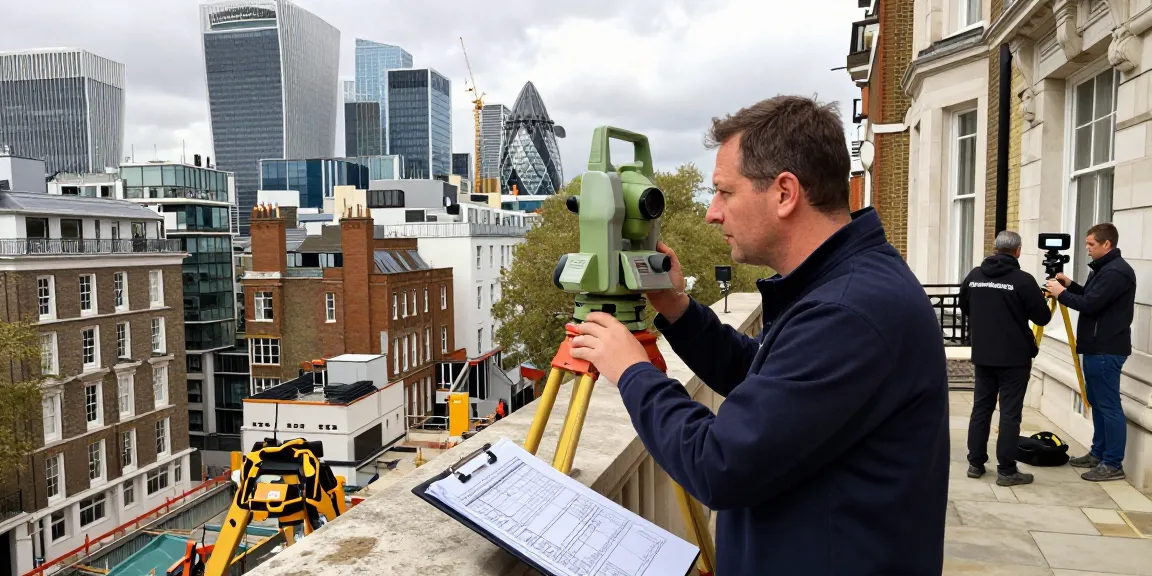
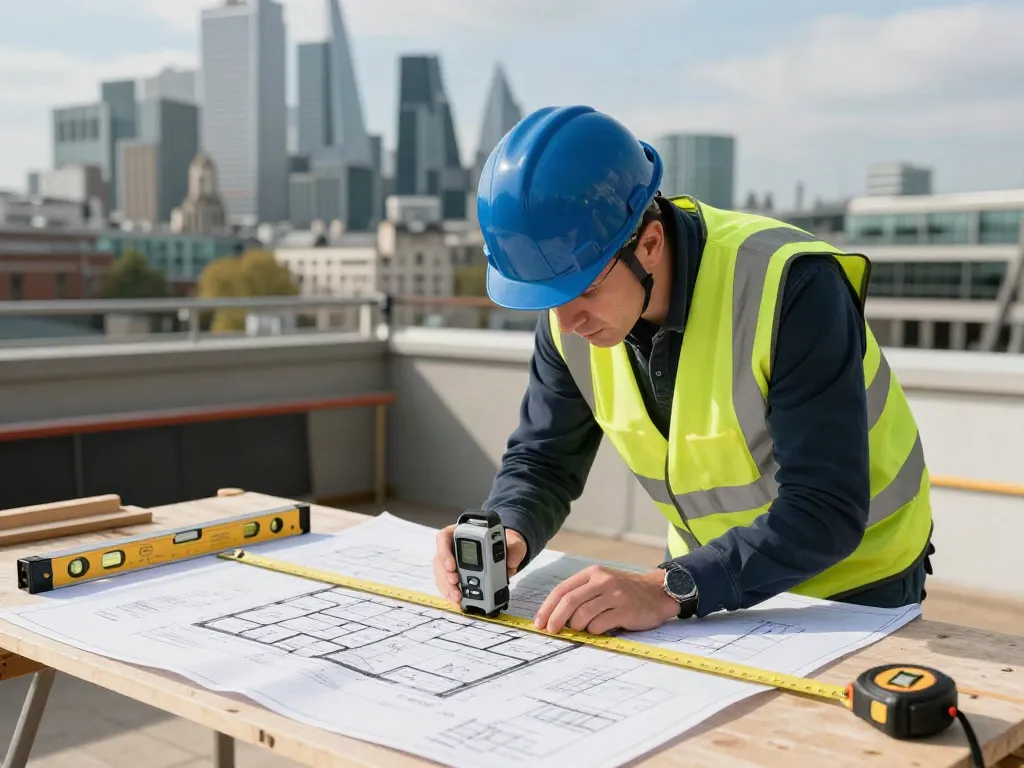
A measured building survey (MBS) is a precise measurement process that generates detailed representations of a property’s layout and structure. Surveyors typically develop plans, elevations, and sections that showcase various architectural features, making it an invaluable resource for architects, engineers, and planners. MBS can be particularly useful for renovating or extending existing structures, as they reveal vital spatial constraints and dimensions necessary for feasible designs.
Key Benefits of Building Surveys for Property Owners
- Informed Decision Making: Surveys provide property owners with the necessary insights to make informed decisions regarding purchases, renovations, or developments.
- Identifying Problems: Comprehensive surveys can identify issues ranging from structural damage to outdated mechanical systems, empowering owners to address these before they escalate.
- Regulatory Compliance: Building surveys can ensure that properties adhere to local regulations, thus avoiding potential legal issues down the road.
Common Types of Surveys Conducted by Building Surveyors London
Building surveyors in London carry out several types of surveys, catering to different needs:
- Measured Building Surveys: Focuses on the physical dimensions and layout of a property.
- Homebuyer Reports: Aimed at prospective buyers, highlighting essential information about the condition of a property.
- Building Condition Surveys: Assess the overall state of a property, including defects and maintenance requirements.
- Dilapidation Surveys: Document the condition of a property before and after a tenancy agreement, crucial for landlords and tenants.
Choosing the Right Building Surveyor in London
Selecting the right surveyor is critical to the success of your survey project. Given the multitude of options available in London, it's essential to find a professional who possesses the right qualifications and experience to meet your specific needs.
Factors to Consider When Selecting Surveyors
When choosing a building surveyor in London, consider the following factors:
- Experience and Expertise: Look for surveyors with relevant experience in your specific type of survey, whether commercial or residential.
- Accreditations: Ensure the surveyor is registered with a recognized body, such as RICS (Royal Institution of Chartered Surveyors), which guarantees a high level of professionalism.
- Client Reviews: Open reviews and testimonials can provide insights into the surveyor's reliability and efficacy.
How to Evaluate Surveyor Credentials and Experience
Investigate the surveyor's background by checking their qualifications, certifications, and portfolio. A good surveyor will have a track record of successfully completed projects similar to yours. Don't hesitate to ask for references or case studies to further assess their capability.
Understanding Costs Associated with Building Surveyors London
The cost of hiring a building surveyor can vary significantly based on factors such as location, complexity of the survey, and the surveyor’s experience. Generally, you can expect to pay between £400 and £1,500 for a comprehensive measured building survey. It's advisable to obtain quotes from multiple surveyors to ensure you receive fair pricing.
Technologies Empowering Modern Building Surveying
The field of building surveying has evolved, especially with the advent of modern technology. Today's building surveyors in London leverage innovative tools to enhance accuracy and efficiency.
Innovative Tools Used by Building Surveyors London
Several advanced tools and technologies have transformed building surveying:
- 3D Laser Scanning: This technology allows surveyors to quickly and accurately capture the dimensions of a building, creating a 3D model that can be used for analysis and visualization.
- BIM (Building Information Modelling): BIM integrates various aspects of building data, allowing surveyors to collaborate effectively with other professionals in the construction process.
- Drone Surveys: Drones enable surveyors to capture large areas in less time, providing high-resolution images and data for analysis.
The Role of Technology in Accuracy and Efficiency
Utilizing these technologies has greatly enhanced the accuracy of measurements and reduced the time required to complete surveys. Moreover, they allow for better visualization of planning, ensuring all stakeholders understand the project's scope and details. This integration of technology ultimately leads to better project outcomes and enhanced client satisfaction.
Future Trends in Surveying Technologies for 2026
As the industry continues to evolve, several trends are anticipated to dominate the future of building surveying:
- AI and Machine Learning: These technologies will likely be used for data analysis and predictive modelling, allowing surveyors to offer deeper insights into potential issues.
- Increased Automation: Automated data collection tools will streamline processes and improve efficiency, enabling surveyors to focus more on analysis and less on manual data entry.
- Enhanced Collaborative Platforms: With the rise of remote working, collaborative tools will help surveyors communicate more effectively with clients and project teams.
Case Studies: Successful Building Surveys in London
To illustrate the impact of effective building surveys, let's explore some real-world examples from London.
Residential Building Survey Case Study
In one case, a first-time buyer was considering a Victorian terraced house in Clapham. The purchaser engaged a building surveyor to conduct a measured building survey, which revealed some structural issues hidden beneath the surface. By addressing these issues pre-purchase, the buyer was able to negotiate a lower price and carry out the necessary repairs before moving in.
Commercial Property Survey Success Story
Another case involved a property developer looking to convert an office space in Shoreditch into residential apartments. The measured building survey effectively mapped out the layout, highlighting areas where modifications could be made for maximum space efficiency. The developer utilized the survey’s findings to secure planning permission and successfully brought the project to fruition ahead of schedule.
Lessons Learned from Challenging Survey Projects
Challenges are a common occurrence in building surveys. One noteworthy example involved a listed building in Westminster. The complexities of working with such properties necessitated expert knowledge of local regulations, which the surveyors possessed. This scenario underscored the importance of selecting surveyors who understand the nuances of specific building types and their associated legislation.
FAQs About Building Surveyors London
How much does a building surveyor cost in London?
The cost can vary widely, typically ranging from £400 to £1,500, depending on the type of survey and property size.
How to find a good building surveyor?
Look for qualified and registered surveyors with solid experience and positive client reviews. Accreditations from recognized institutions, such as RICS, can also indicate a trustworthy professional.
Are building surveyors in demand in the UK?
Yes, as the property market grows and evolves, the demand for skilled building surveyors in the UK remains strong, particularly in urban areas like London.
What is the difference between a measured survey and a building survey?
A measured survey focuses specifically on capturing the dimensions and layout of a building, while a building survey evaluates the overall condition and any defects present.
How long does a building survey take to complete?
The duration of a building survey can vary based on the property size and type, but most surveys can be completed within a few days to a week.