
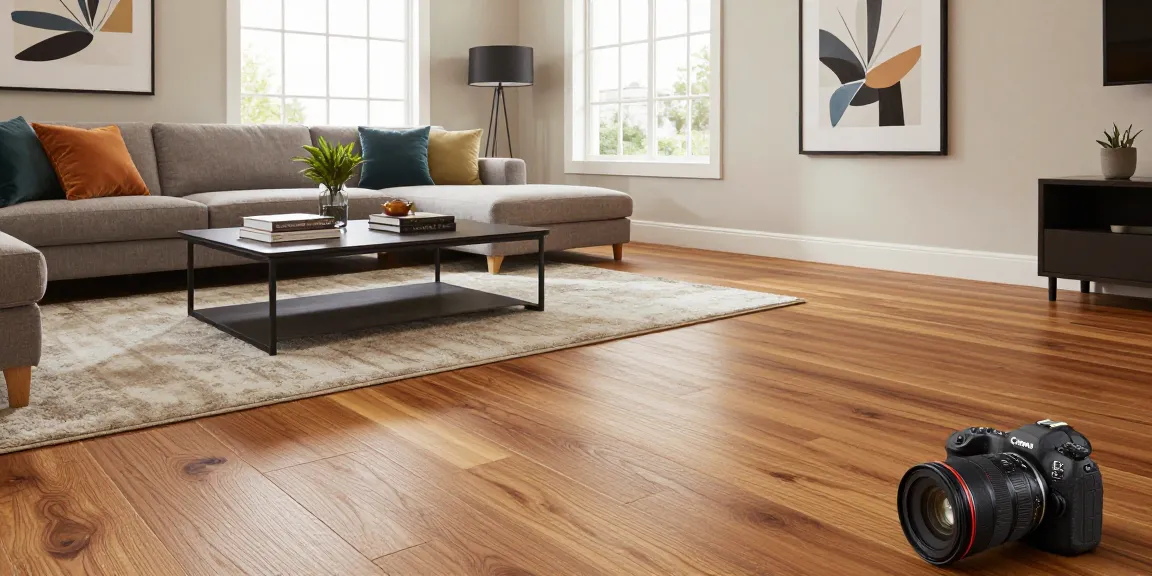
Understanding Engineered Wood for Modern Interiors
Choosing the right flooring is one of the most significant decisions homeowners face, particularly in the UK. With various options available, engineered wood for modern interiors has gained traction for its blend of authenticity and practicality. As you navigate the labyrinth of flooring choices, understanding the distinct benefits, aesthetics, and performance aspects of engineered wood can profoundly influence your decision-making process.
What is Engineered Wood?
Engineered wood flooring is a product designed to combine the best of both worlds—natural wood’s appearance with enhanced stability and durability. It consists of a real wood veneer layer on top of multiple layers of plywood or high-density fiberboard (HDF), strategically arranged to resist warping and environmental fluctuations. This construction gives engineered wood flooring significant advantages over traditional hardwood and laminate options, making it suitable for various applications in modern homes.
Benefits of Engineered Wood Flooring
The popularity of engineered wood flooring stems from its myriad advantages, which appeal to contemporary homeowners:
- Authentic Appearance: The visible surface layer of genuine hardwood delivers a stunning, natural look.
- Stability: The multi-layer construction reduces the risk of swelling and shrinking in response to humidity changes.
- Eco-Friendly Options: Many engineered wood products are made from sustainably sourced materials and certified by organizations like the FSC (Forest Stewardship Council).
- Versatility: Engineered wood can be installed over various substrates, including concrete and radiant heat systems.
- Easy Maintenance: Regular sweeping and occasional damp mopping can keep these floors looking pristine.
Key Differences Between Engineered Wood and Laminate
While both engineered wood and laminate offer unique benefits, they serve different needs and preferences:
- Material Composition: Engineered wood has a real wood surface, while laminate is a synthetic product with a printed wood pattern.
- Durability: Engineered wood is generally more durable due to its solid wood layer, whereas laminate can be more prone to scratching.
- Moisture Resistance: Engineered wood can withstand moisture better than traditional hardwood but might still need adequate sealing, while laminate has superior moisture resistance.
- Cost: Laminate tends to be more budget-friendly, while engineered wood is often viewed as a long-term investment due to its quality.
Choosing the Right Engineered Wood for Your Space
Once you have a foundational understanding of engineered wood, the next step is to evaluate how it fits into your specific needs. Considering your budget, style preferences, and maintenance requirements will guide your selection process.
Factors to Consider: Budget, Style, and Maintenance
Your budget will often dictate the type of engineered wood that fits your needs. It’s vital to balance cost with quality; lower-priced options might compromise durability or aesthetics. Consider the following:
- Budget Constraints: Engineered wood prices can vary widely based on thickness, brand, and the type of wood veneer used.
- Desired Aesthetic: The wood species selected (oak, maple, cherry, etc.) will influence the overall look, so choose one that complements your interior design.
- Maintenance Levels: If you have young children or pets, opting for a more durable finish could save on costly repairs or replacements.
How to Match Engineered Wood with Your Interior Design
The beauty of engineered wood lies in its versatility, which allows it to seamlessly integrate into various modern interior styles:
- Contemporary Styles: Lighter wood tones like ash or maple can enhance modern, minimalist spaces.
- Rustic Decor: Darker engineered wood or those featuring distressed finishes can add warmth and charm to rustic interiors.
- Transitional Spaces: Opt for medium tones that blend traditional and contemporary elements for versatile décor.
Color and Texture Options for Modern Interiors
Color choices can evoke different moods and visual impressions. Consider these options:
- Light Shades: Ideal for smaller spaces as they can create an illusion of openness.
- Medium Tones: Offer a balance and work well in various environments.
- Dark Hues: Provide drama and sophistication, best suited for larger areas.
Textures also play a crucial role—smooth finishes can enhance a contemporary feel, while wire-brushed or hand-scraped surfaces can instill a sense of rustic charm.
Installation and Maintenance of Engineered Wood Flooring
Installing engineered wood flooring can be a straightforward project for a DIY enthusiast. However, certain best practices should be adhered to for optimum results.
Steps to Properly Install Engineered Wood
Follow these steps for a successful installation:
- Prepare the Subfloor: Ensure it is clean, dry, and level before installation.
- Acclimate the Flooring: Let the engineered wood acclimate to the room temperature and humidity for at least 48 hours.
- Choose the Right Installation Method: Depending on the product, you can opt for nail-down, glue-down, or floating floor methods.
- Install Underlayment: Use a vapor barrier and soundproofing underlayment where necessary.
- Start Laying the Boards: Begin in a corner and work your way out. Ensure that each board is tightly fitted.
Maintenance Tips for Long-lasting Durability
To keep your engineered wood flooring looking its best:
- Regular Cleaning: Sweep or vacuum to remove dirt and debris that can cause scratching.
- Spills and Stains: Wipe up spills immediately using a damp cloth to avoid water damage.
- Recoat When Necessary: Depending on traffic, you may need to recoat the surface every few years to maintain its finish.
Common Mistakes to Avoid During Installation
Avoid these pitfalls to ensure a successful installation:
- Neglecting Subfloor Preparation: Failure to properly prepare a subfloor can lead to permanent damage.
- Ignoring Acclimation: Not allowing the wood to acclimate may result in expansion or contraction post-installation.
- Incorrect Installation Method: Always follow the manufacturer’s guidelines for the best results.
Comparing Engineered Wood Brands: Quick Step vs Others
In the crowded flooring market, selecting a reputable brand can make a significant difference in quality and performance. Quick Step is one such prominent name offering a range of engineered wood options.
Brand Features and Unique Offerings
Quick Step is known for several features:
- Durable Finishes: Their products often come with advanced protective coatings, making them resistant to scratches and wear.
- Innovative Installation Systems: Many of their lines include click-lock systems that simplify DIY installations.
- Variety of Aesthetics: Quick Step offers an extensive range of colors and textures that fit various design styles.
Price Comparisons and Value for Money
When comparing prices, it’s essential to consider not just the initial cost but also the longevity and performance over time. Quick Step’s engineered wood often represents a higher initial investment but may save money in the long run through durability and low maintenance requirements.
User Reviews and Feedback on Popular Brands
Examining consumer feedback on products helps gauge their performance in real-world settings. Quick Step tends to receive high marks for aesthetics and ease of installation, while other brands might excel in price or selection.
Future Trends in Engineered Wood Flooring
The flooring landscape is continually evolving, reflecting changes in design trends, technology, and environmental considerations.
Anticipated Styles and Finishes for 2026 and Beyond
For homeowners looking to the future, here are some trends to watch:
- Sustainable Sourcing: A rising demand for eco-friendly products is influencing materials choices, with more brands offering sustainably harvested wood.
- Mixed Materials: Combining engineered wood flooring with other surfaces, like tiles or stone, is becoming a popular choice for unique aesthetics.
- Textured Finishes: Textures are trending, with more emphasis on hand-scraped and distressed appearances to evoke rustic charm.
Environmental Considerations and Sustainable Practices
The flooring industry is increasingly focusing on sustainable practices. From responsible sourcing of timber to using low-VOC adhesives, brands are more mindful of their environmental impact.
The Role of Technology in Engineered Wood Manufacturing
Advancements in technology are creating more durable and aesthetically pleasing engineered wood options. Innovations like enhanced moisture resistance and improved wear layers are becoming standard.
What Makes Engineered Wood a Smart Choice for Modern Homes?
With its blend of appearance, durability, and versatility, engineered wood stands out as an intelligent choice for modern interiors. Homeowners can enjoy a aesthetic appeal without compromising on performance, making it a favored option in various settings.
How Does Engineered Wood Impact Home Value?
Investing in high-quality engineered wood flooring can positively influence your home’s market value. Prospective buyers often look for flooring that combines beauty with durability, and engineered wood checks both boxes effectively.
