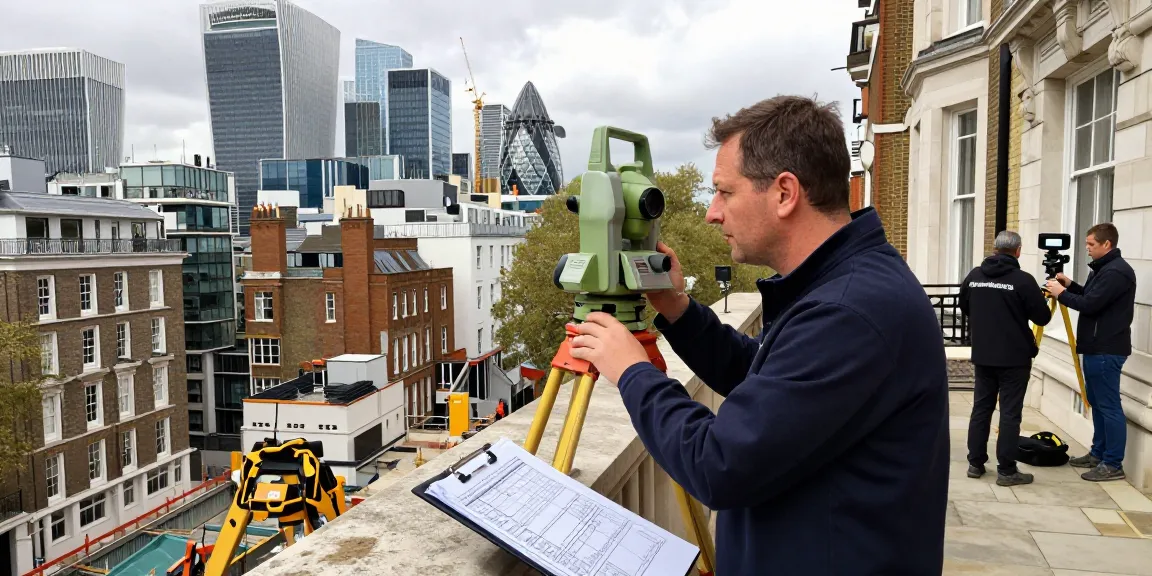
Understanding Measured Building Surveys London
When embarking on a construction or renovation project, understanding the intricacies of Measured building surveys london is essential for ensuring accuracy and compliance. These surveys provide critical data that informs every subsequent stage of your building project, from design to execution. In a fast-paced city like London, where space is at a premium, having precise measurements and detailed plans is not just an advantage but a necessity.
What are Measured Building Surveys?
Measured building surveys involve the comprehensive documentation of a building’s physical features and dimensions. These surveys are crucial in creating accurate representations of structures, including floor plans, elevations, and sections, tailored to the specific needs of the client. Typically, measured building surveys can be divided into several categories: Topographical Surveys, Building Surveys, and MBS (Measured Building Surveys), each serving different yet related purposes.
Importance of Accurate Building Data
Accurate building data is vital for a variety of reasons. Firstly, it ensures compliance with local regulations and planning applications. Secondly, it aids architects and engineers in designing structures that are both functional and aesthetically pleasing. Moreover, accurate measurements help in preventing costly errors during construction. Without precise data, projects can face delays, budget overruns, and even legal complications.
Types of Surveys Offered in London
In London, various types of measured building surveys are available to cater to different project requirements:
- Topographical Surveys: These surveys capture the contours and features of the land on which a building will be constructed. They show elevation, vegetation, and existing infrastructure.
- Building Surveys: Comprehensive assessments that evaluate the condition of a property, revealing structural issues, compliance with safety regulations, and potential renovation designs.
- Measured Building Surveys (MBS): Provide detailed architectural drawings that include floor plans, section views, and elevations, serving as a basis for future design and development.
Choosing the Right Measured Building Surveyor
Selecting a qualified measured building surveyor is critical to the success of your project. The expertise and reliability of the surveyor can make a significant difference in the quality of your project outcome.
Qualifications and Experience to Look For
When hiring a measured building surveyor, consider their qualifications and experience. Look for professionals who are accredited by relevant industry bodies, such as the Royal Institution of Chartered Surveyors (RICS). Experience in similar projects, as well as knowledge of local regulations and architectural styles, is also invaluable.
Questions to Ask Before Hiring
Before making your decision, ask potential surveyors several questions to ensure they meet your needs:
- What is your experience in this type of survey?
- Can you provide references from previous clients?
- What is included in your service, and what is the estimated timeline?
- How do you handle unexpected issues during the survey?
The Value of Local Knowledge in London
Having local knowledge can greatly enhance the efficiency and effectiveness of your survey. London is a city with diverse architectural styles and varying regulations across its boroughs. A surveyor familiar with these factors can provide more precise insights and recommendations tailored to your specific location.
The Survey Process Explained
Understanding the survey process can demystify the steps involved and set clear expectations for clients.
Initial Consultation and Site Visit
The first step in the survey process is an initial consultation followed by a site visit. During this visit, the surveyor assesses the property, discusses your specific needs, and identifies any potential challenges that may affect the survey.
Data Collection Techniques and Tools
Modern measured building surveys leverage advanced technology for data collection. Tools such as laser scanners and drones are increasingly common, providing high levels of accuracy and efficiency in gathering information about a building’s dimensions and features. This data is subsequently processed using specialised software to create comprehensive surveys.
Final Deliverables: What to Expect?
Once the survey is complete, you can expect to receive detailed drawings and documentation. These might include 2D floor plans, 3D models, and various elevations that offer a full understanding of the property’s layout and structural integrity. The final report will also typically contain key measurements, recommendations for any identified issues, and relevant technical data.
Common Misconceptions About Measured Building Surveys
Many misconceptions can cloud the understanding of measured building surveys.
Cost vs. Quality: Debunking Myths
A common myth is that cutting corners on survey quality can save money. In reality, investing in high-quality surveys often saves money in the long run by preventing costly errors and rework later in the project. Quality surveys pay dividends in ensuring compliance and accuracy.
How Accurate Are Measured Surveys Really?
Some clients worry about the accuracy of measured surveys. When conducted by professional surveyors using modern techniques, these surveys are highly accurate. Discrepancies may arise from changes made post-survey or human error, but the methodologies employed today maximise precision.
When to Consider Full MBS Surveys
Full Measured Building Surveys are especially important when dealing with older properties, complex renovations, or in cases where the existing plans are outdated. They provide a comprehensive understanding of the building’s current state and any potential areas of concern.
Future Trends in Measured Building Surveys (2026 and Beyond)
The landscape of measured building surveys is continuously evolving in response to technological advancements and industry needs.
Technological Innovations Impacting Surveys
Innovations such as Building Information Modelling (BIM) are changing how surveys are conducted and used. BIM allows for the integration of various data sources, creating a rich model that can be used throughout the lifecycle of the building.
Emerging Standards and Regulations
As the construction industry increasingly embraces technology, standards and regulations are evolving. Staying updated with these changes is crucial for professionals in the field to ensure compliance and best practices.
Predictions for the Industry Landscape
Looking ahead, we anticipate a growing demand for sustainability in measured building surveys. Clients will require surveys that not only provide data on existing conditions but also support green building initiatives and energy efficiency.
What Should You Know Before Your Next Project?
Before embarking on your next project, consider the value that comprehensive measured building surveys can bring. Prepare for your survey by researching local surveyors, understanding your project goals, and clearly communicating your needs during the initial consultation.
FAQs About Measured Building Surveys London
What is the typical turnaround time for a measured survey?
The turnaround time for a measured survey can vary based on the project’s complexity and size, but most surveys typically take anywhere from one week to a month to complete.
Are measured surveys necessary for small residential projects?
While smaller projects may not always require detailed surveys, they can still provide valuable insights that help avoid potential problems during renovation or construction.
How do I read and interpret the survey results?
Reading and interpreting survey results involves understanding the various components of the drawings, such as scales, annotations, and symbols. Professional surveyors can help clarify any uncertainties.
Can I use surveys for renovation planning?
Yes, measured building surveys are an essential tool for renovation planning. They provide a detailed representation of the existing structure, allowing architects and designers to plan modifications accurately.
What sets your survey services apart from competitors?
Choosing the right survey service involves looking for unique qualities, such as local expertise, advanced technology, and a commitment to client service. Surveyors who offer tailored solutions and detailed reporting can provide significant advantages in the execution of your project.